
Introduction to Nigerian Chicken Stew
Nigerian Chicken Stew is a beloved staple that has found its way into the hearts and kitchens of many, especially young professionals seeking a hearty yet simple meal. In the hustle and bustle of modern life, convenience is key, and this dish delivers just that – a flavorful meal that comes together in about an hour, making it a perfect choice after a long day.
Why is Nigerian Chicken Stew a go-to dish for young professionals?
- Time-Efficient: With a prep time of just 10 minutes and a cook time of around 50 minutes, you’ll be feasting in no time.
- Flexible Ingredients: This dish allows for creativity—swap out ingredients based on what you have on hand or your dietary preferences, making it easy to fit into your busy lifestyle.
- Nourishing and Satisfying: Packed with protein and nutrients, a serving of Nigerian Chicken Stew provides a delicious way to refuel after a hectic day.
Whether you’re enjoying it over rice, pasta, or with freshly baked bread, this stew is not only comforting but also fosters a sense of community and tradition. If you're curious about the rich history and variations of Nigerian cuisine, explore more about it here. The best part? Once you serve this dish, you're sure to impress friends and family alike!
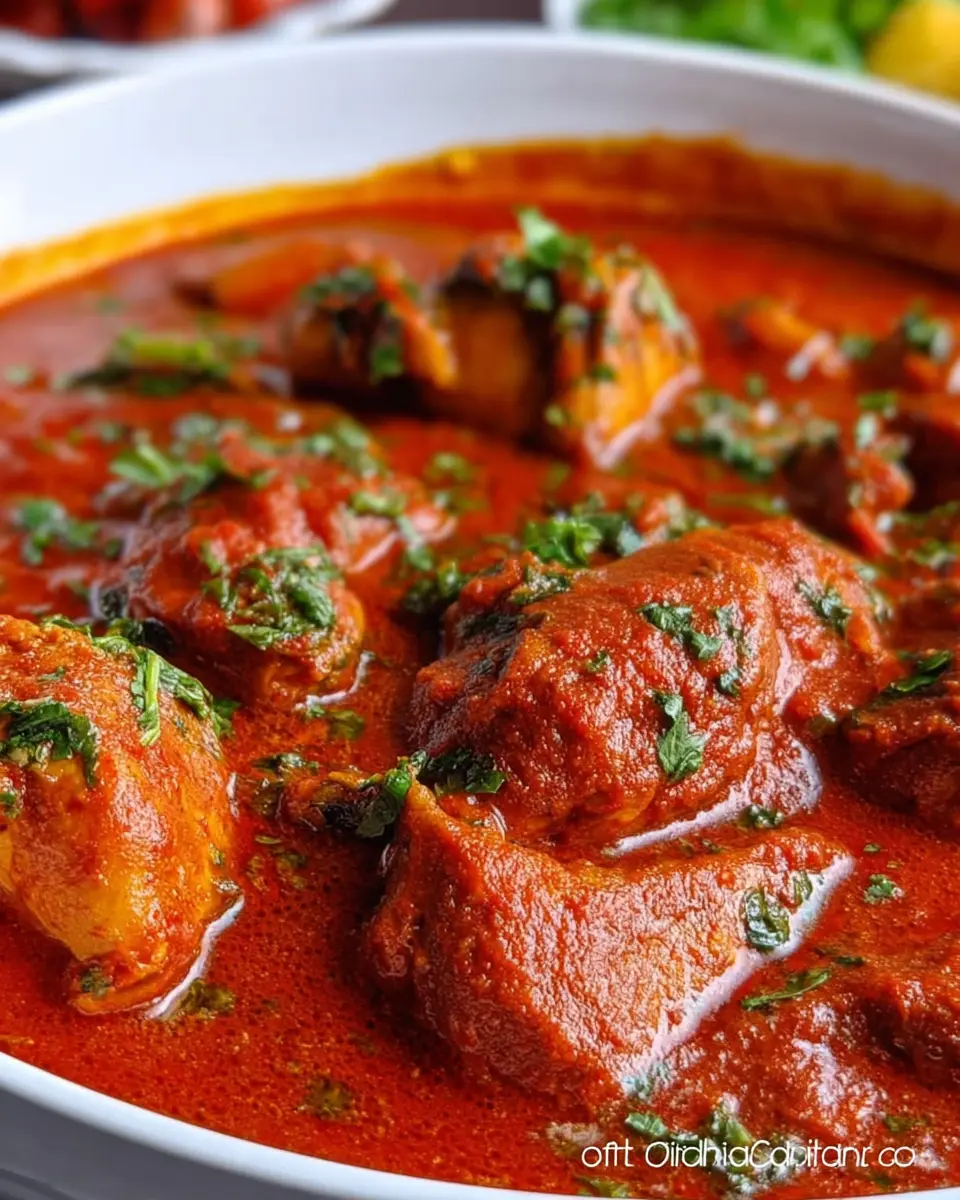
Ingredients for Nigerian Chicken Stew
Creating a mouth-watering Nigerian Chicken Stew is all about using fresh ingredients bursting with flavor. Let’s break down what you'll need to get started.
Fresh Produce Needed
- Red Bell Peppers: 3 large, for that sweet, vibrant base.
- Tomatoes: 4 medium, ripe to ensure a rich texture.
- Habanero Peppers: 2 Scotch bonnets for a touch of heat (adjust based on spice preference).
- Onions: 2 medium, one for roasting and one for sautéing.
- Garlic: 5 cloves, finely chopped for depth.
- Ginger: 1 inch, fresh ginger root to enhance the aroma.
Spices and Seasonings
- Thyme: 1 teaspoon, giving an earthy note.
- Paprika and Curry Powder: each 1 teaspoon for warmth and color.
- Salt and Pepper: to taste, essential for balancing flavors.
- Bay Leaves: 2, infusing a subtle depth.
Chicken Options
For this traditional stew, 8 to 10 chicken drumsticks work best; however, you can substitute with thighs or breast for a leaner option. Choose skin-on pieces for richer flavor and juiciness!
Ready to dive into this delicious journey? Check out our full recipe here and get cooking!
Preparing Nigerian Chicken Stew
If you’ve ever experienced the rich, aromatic flavors of Nigerian chicken stew, then you know it’s a culinary experience like no other. This stew packs a hefty punch with its vibrant colors and textures, making it a delightful centerpiece for any meal. Let’s walk through the steps together to create this unforgettable dish.
Roast the Vegetables
To get started, we need to infuse some smoky goodness into our sauce. Begin by slicing your red bell peppers, tomatoes, onions, and habanero peppers in half. Place them alongside whole garlic cloves on a roasting pan. Drizzle with oil and pop them in a preheated oven at 425°F. Roast for about 30 minutes, or until they start to char—this caramelization will add depth to your stew. Once roasted, blend the vegetables with a piece of ginger root to create a smooth, flavorful base. Set this vibrant sauce aside for later use.
Prepare and Season the Chicken
While the veggies are roasting, take your chicken drumsticks and give them some love! In a bowl, season the chicken with paprika, thyme, curry powder, salt, and pepper. This seasoning mix not only enhances the flavor of the chicken but also contributes to the overall taste profile of your Nigerian chicken stew. Let the seasoned chicken marinate for a bit while we prepare the next steps.
Sauté the Onions and Fry the Chicken
Heat about half a cup of vegetable oil in a large skillet over medium heat. Add a couple of tablespoons of diced onions and sauté until fragrant. This will add an aromatic base to your dish. Then, introduce the marinated chicken legs into the skillet, frying until each side is beautifully browned—around 10 minutes per side. Once browned, set the chicken aside. You'll love the aromatic scents filling your kitchen during this stage!
Create the Stew Base
In the same skillet, toss in the remaining diced onions. Cook until they turn translucent. Now, it's time to add your roasted vegetable blend along with a couple of bay leaves. Let this simmer for about 5 to 10 minutes to marry those flavors together. Then, pour in the chicken stock, along with additional seasonings like curry powder, rosemary, and chicken bouillon. This is where the magic begins; the vivid colors and aromas will make your stomach rumble with anticipation.
Simmer the Chicken in the Stew
Gently slide the fried chicken back into the skillet, ensuring it’s submerged in the stew. Allow it to simmer for about 20 minutes—longer if your chicken pieces are larger—until they become tender and soak in all those flavorful juices. Stir occasionally to avoid sticking. If you need to, adjust the stew's thickness by adding more stock or water.
Serve your Nigerian chicken stew over white rice, pasta, or even with fresh bread. You'll find that this dish resonates with love and comfort, perfect for any gathering or a cozy night in!
For tips on how to adjust the spice levels or incorporate other veggies, check out resources at Saveur and Serious Eats for additional inspiration. Enjoy your cooking journey!
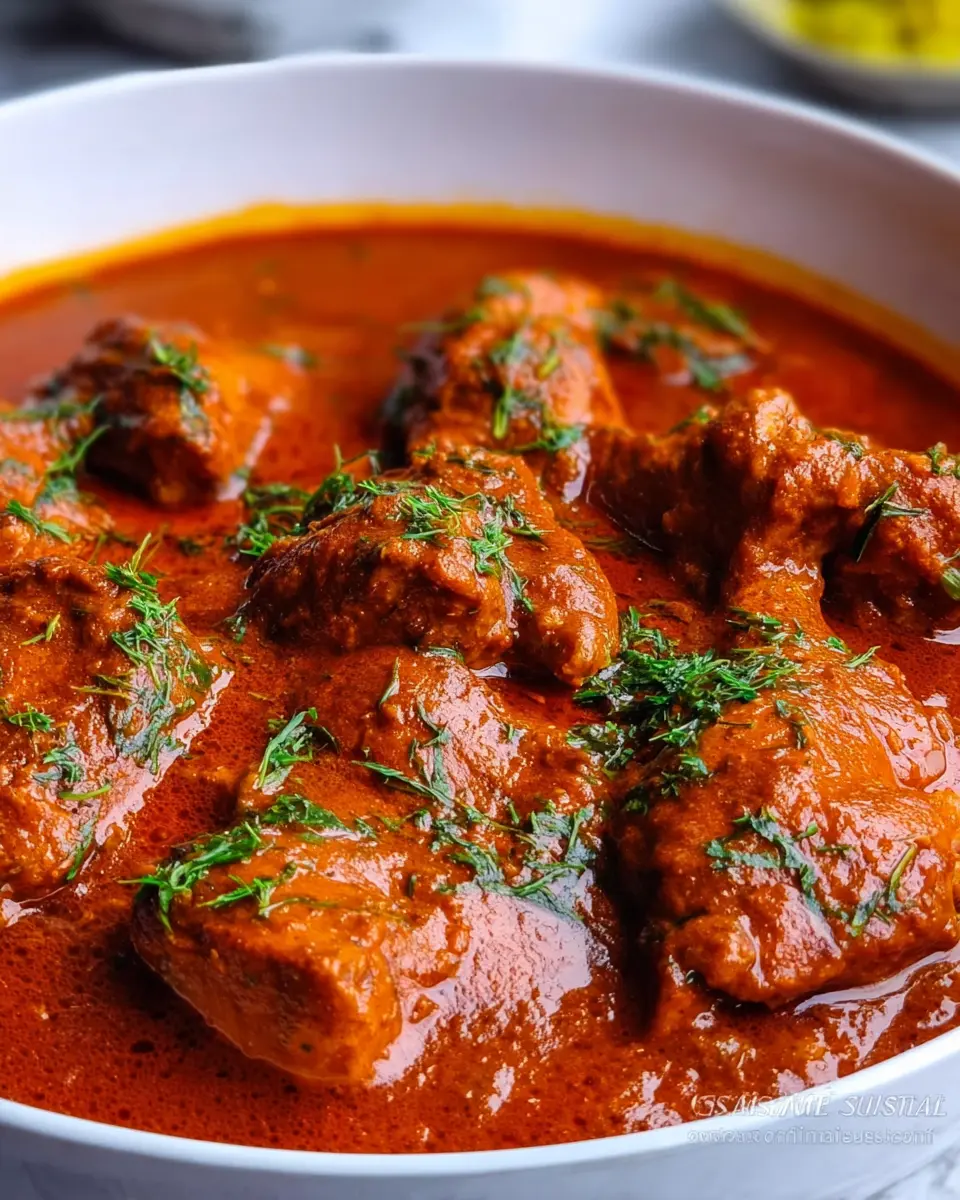
Variations on Nigerian Chicken Stew
Spicy Chicken Stew for Heat Lovers
If you crave a little extra heat, consider transforming your Nigerian Chicken Stew by adding more habanero peppers or a splash of cayenne pepper. This bold twist not only amps up the flavor but also delivers a delightful kick. For an added layer of complexity, integrate smoked paprika or even a dash of chili oil. Trust me, your taste buds will thank you for this fiery adventure!
Vegetarian Twist with Chickpeas
Looking for a meat-free option? Substitute the chicken with chickpeas for a hearty, vegetarian version of the Nigerian Chicken Stew. Simply sauté the chickpeas alongside the onions before adding your blended sauce. This variation provides a nutritious protein boost while keeping the beloved flavors of the original dish. Check out this guide on chickpeas for more benefits and creative ways to use them!
Cooking tips and notes for Nigerian Chicken Stew
Essential tips for perfect flavor
To achieve the perfect flavor in your Nigerian Chicken Stew, make sure to roast your peppers and tomatoes until they are slightly charred. This enhances their natural sweetness. Don't skimp on the spices; they’re essential for that authentic depth of flavor. Always taste your stew during cooking for proper seasoning adjustments.
How to adjust spice levels
If you prefer a milder taste, start with fewer habanero peppers, and add more as you go. Conversely, for extra heat, blitz in some extra peppers or a dash of cayenne pepper to the mix! A pinch of sugar can also balance out the heat and acidity beautifully. More tips on spice adjustments can be found here.
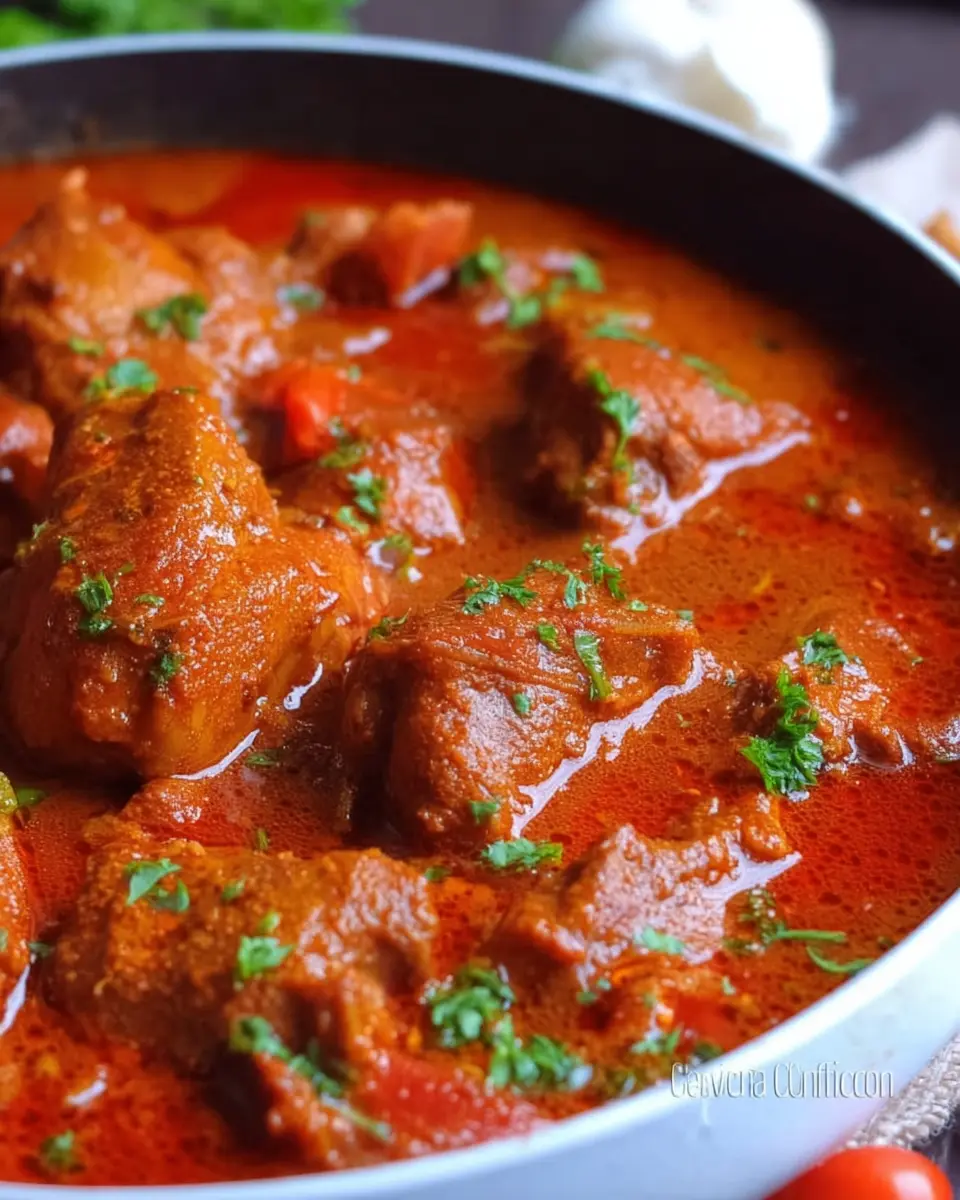
Serving suggestions for Nigerian Chicken Stew
Best starch companions
When enjoying your Nigerian Chicken Stew, consider serving it with a delightful starch that complements its rich flavor. Here are some popular options:
- White Rice: A classic pairing that absorbs the stew's delicious sauce.
- Pounded Yam: An authentic Nigerian favorite, perfect for dipping into that hearty stew.
- Fried Plantains: Their sweetness nicely balances the spice of the stew.
- Eba or Fufu: Great for scooping up the stew effortlessly.
Creative serving ideas
Elevate your dining experience by trying out some unique presentations:
- Stew Bowl: Serve the stew in a bowl topped with fresh herbs for a vibrant look.
- Stew with a Twist: Blend the stew into a sauce and pour over grilled chicken for a new flavor profile.
- Family Style: Create a buffet spread where everyone can make their plate, mixing and matching.
These serving suggestions not only enhance the dish but also make it a memorable culinary experience. Explore more about Nigerian cuisine here to inspire your next meal!
Time Breakdown for Nigerian Chicken Stew
Preparation Time: 10 minutes
Start by prepping your ingredients! Slice your tomatoes, bell peppers, and onions, and get your spices in place. It’s a quick set-up that leads to a delicious meal.
Cooking Time: 50 minutes
With the chicken well-seasoned and the sauce bubbling, this is when the magic happens. Allow the chicken to soak in those rich flavors, ensuring a memorable dish.
Total Time: 1 hour
In just one hour, you'll have a hearty, savory Nigerian Chicken Stew that’s perfect for lunch or dinner, ready to serve up with rice or bread.
Looking for more delicious recipes? Check out this article on traditional Nigerian dishes for further inspiration!
Nutritional Facts for Nigerian Chicken Stew
When you're craving a comforting meal, Nigerian Chicken Stew not only satisfies your taste buds but also offers a great nutritional profile. Here’s a quick breakdown:
Calories
Each serving of this savory stew is approximately 255 calories, making it a hearty yet manageable meal option.
Protein
With around 14 grams of protein per serving, you'll benefit from a substantial protein boost, ideal for muscle repair and energy.
Sodium
The sodium content stands at about 293 mg, providing flavor without overwhelming your daily intake. It’s essential to keep an eye on sodium levels for overall health!
Nigerian Chicken Stew can be a staple in your meal rotation, delivering both taste and nutrition. For more insights, consider checking out NutritionData for more details on meal planning!
FAQs about Nigerian Chicken Stew
How can I make Nigerian Chicken Stew thicker?
To achieve a thicker consistency in your Nigerian Chicken Stew, consider blending in additional roasted tomatoes or bell peppers. You can also incorporate a tablespoon of tomato paste. If you're looking for an even heartier stew, let it simmer uncovered to allow excess moisture to evaporate and concentrate the flavors.
What are the best side dishes to pair with it?
Nigerian Chicken Stew is incredibly versatile! For a traditional touch, serve it with fluffy white rice or jollof rice. Alternatively, enjoy it alongside couscous or freshly baked bread to soak up all that delicious sauce. Don't forget a side of fried plantains for a sweet and savory enhancement!
Can I freeze leftover Nigerian Chicken Stew?
Absolutely! Leftover Nigerian Chicken Stew freezes beautifully. Allow it to cool completely before transferring it to an airtight container. Properly stored, it can last up to three months in the freezer. When you're ready to enjoy it again, simply thaw in the refrigerator overnight and reheat on the stove. For more freezing tips, check out USDA Food Safety Guidelines.
Conclusion on Nigerian Chicken Stew
Nigerian Chicken Stew is not just a dish; it’s a delightful experience that brings warmth and joy to any table. With its rich flavors and hearty ingredients, this stew is perfect for gatherings or cozy dinners. Give it a try, and you’ll find a new favorite in your recipe collection!
Nigerian Chicken Stew - The Best!
Equipment
- oven
- Skillet
- Sheet pan
Ingredients
Roast
- 3 Red Bell Peppers Tatashe
- 4 Tomatoes Medium size
- 2 Habanero pepper Scotch bonnet - Ata rodo
- 1 medium onion
- 5 Cloves Garlic
- 1 inch Ginger Root
Chicken
- 8 to 10 Chicken drumsticks
- 1 teaspoon Thyme
- 1 teaspoon Paprika
- 1 teaspoon curry powder
- Salt and pepper to taste
- ½ Cup Vegetable oil
- 2 tablespoons onion diced
Stew
- 1 medium onion diced
- 1½ - 2 Cups Chicken Stock
- 1 teaspoon Curry Powder
- 1 teaspoon Rosemary
- 1 teaspoon Paprika
- 2 bay leaves
- 2 teaspoons chicken bouillon powder or Chicken cubes
Instructions
Preparation
- Slice the tomatoes, peppers, and onions into two halves and place them in a sheet pan alongside the garlic cloves. Brush generously with oil and place in a 425F preheated oven and roast for 30 minutes or till slightly charred. Blend everything with the ginger root and set aside.
- Season the chicken with paprika, thyme, curry powder, salt, and pepper. Set aside.
- In a large skillet, heat oil over medium heat, add 2 tablespoon from the diced onions, and cook till the oil becomes fragrant.
- Add the chicken legs and fry until they become well browned on both sides—about 10 minutes on each side. Remove from pan and set aside.
- Add the remaining diced onions inside the same pan where the chicken was fried. Cook till the onions become translucent. Add the blended sauce and bay leaves and cook for 5 to 10 minutes.
- Add the chicken broth, paprika, curry powder, rosemary, bouillon powder, black pepper, and salt to taste.
- Gently put the fried chicken in the sauce and leave to simmer until the chicken becomes tender about 20 minutes - a little more or less depending on how big your chicken is.
- Stir occasionally to prevent burning and adjust the thickness of stew with water or stock if necessary.
- Serve over white rice, pasta, couscous, or eat with freshly baked bread.


Leave a Reply