
Introduction to German Buttercream
If you're a frosting enthusiast looking to elevate your baking game, German Buttercream might just become your new favorite. This creamy delight is known for its rich texture and balanced sweetness, making it an ideal choice for those who prefer frosting that’s not overwhelmingly sugary. Unlike traditional buttercreams that rely heavily on powdered sugar, German Buttercream incorporates a silky pastry cream, which gives it a luxurious mouthfeel without sacrificing flavor.
Why choose German Buttercream?
One of the standout features of German Buttercream is its versatility. Its smooth texture allows it to be easily piped or spread, making it perfect for cakes, cupcakes, and even pastries. Plus, its custard base means you can experiment with various flavors like chocolate, coffee, or fruit purees to complement your baked goods. If you’re curious about how to make this tantalizing frosting, our full recipe includes a helpful video tutorial that walks you through the process step-by-step.
Whether you’re preparing a special celebration or simply indulging in a sweet treat, German Buttercream adds a touch of elegance to any dessert. So, let’s roll up our sleeves and get started on making your next batch of this easy and delicious frosting!
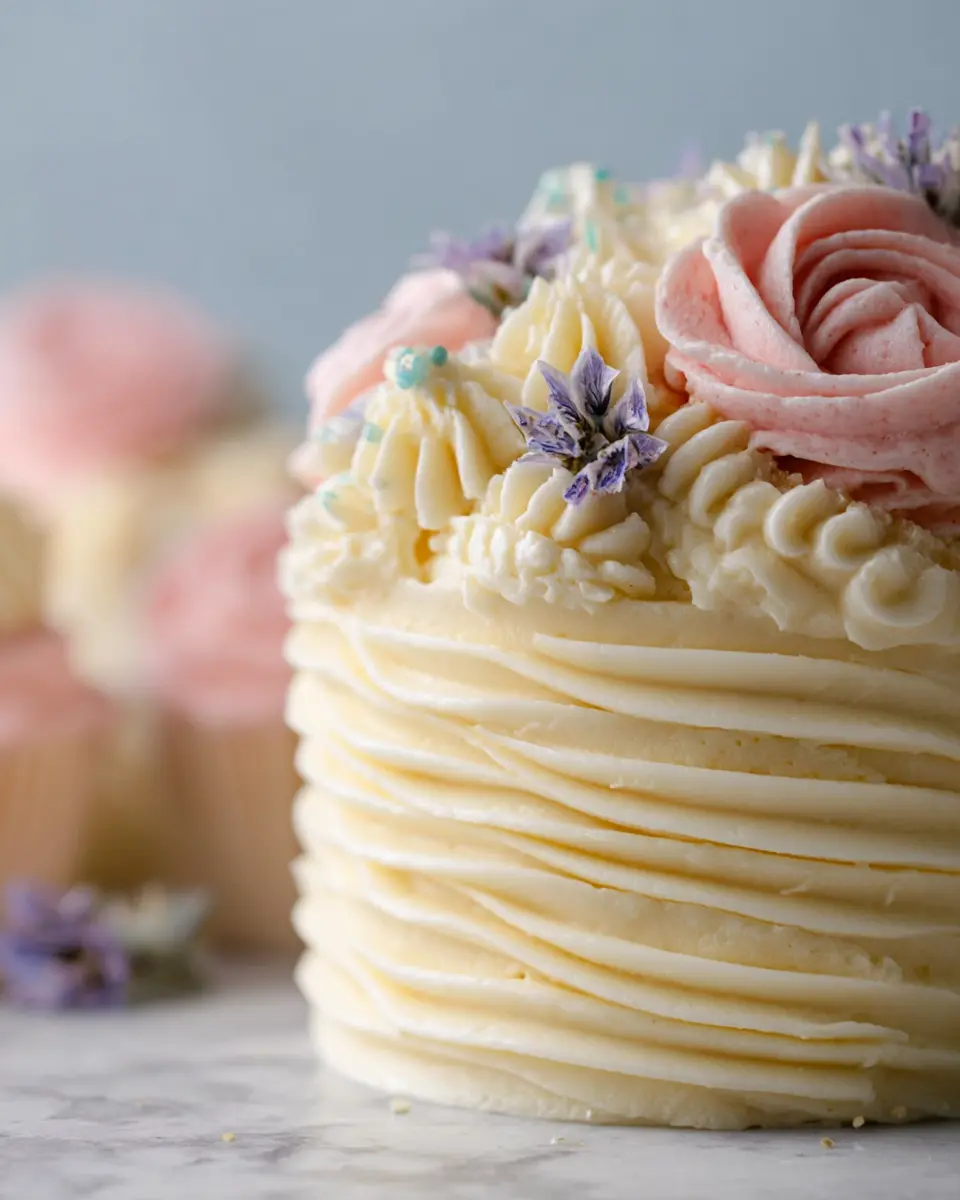
Ingredients for German Buttercream
Essential Ingredients for Pastry Cream
To create the luscious base for your German Buttercream, you'll start with a few key ingredients. The pastry cream is essential for that rich, custard-like flavor, and it consists of:
- Whole milk (1 cup)
- Heavy cream (1 cup)
- Egg yolks (5 large)
- Granulated sugar (⅔ cup)
- Table salt (¼ tsp)
- Cornstarch (3 tablespoons)
- Unsalted butter (4 tablespoons, cut into pieces)
- Vanilla extract (1 ½ teaspoons)
This combination results in a creamy texture that will elevate your frosting to the next level.
Key Ingredients for Frosting
Once your pastry cream has cooled, the next step in making German Buttercream involves mixing it with the right amount of butter. You’ll need:
- Unsalted butter (1 cup, softened)
- Powdered sugar (½ cup, optional)
The butter gives the frosting its fluffy, airy consistency, while the optional powdered sugar lets you adjust the sweetness to your taste. This balance makes it perfect for those who enjoy frosting that's not overpoweringly sweet.
Feeling inspired? Check out more about butter variations here.
Step-by-step preparation of German Buttercream
Making German Buttercream from scratch may sound daunting, but with a little patience and practice, it can become a delightful addition to your baking repertoire. This custard-based frosting is less sweet than traditional buttercream and has a lovely silky texture that makes it perfect for cakes and cupcakes alike. Let’s dive into the step-by-step process!
Whisk the milk, cream, and egg yolks
Start this sweet journey by whisking together 1 cup of whole milk, 1 cup of heavy cream, and 5 large egg yolks in a medium-sized mixing bowl. Make sure everything is well combined; the mixture should look uniform. This forms the base of your pastry cream, giving the German Buttercream its creamy, luscious texture.
Combine sugar, cornstarch, and salt
In a medium-sized saucepan, mix together ⅔ cup of granulated sugar, 3 tablespoons of cornstarch, and ¼ teaspoon of table salt. This combination adds sweetness and helps to thicken your mixture as it cooks. Whisk it well to ensure there are no lumps. Slowly pour your previously whisked cream mixture into the dry ingredients, continuing to whisk vigorously until everything is smooth.
Cook the mixture
Now, it’s time to head to the stove. Cook this mixture over medium heat, stirring constantly. Be patient here; it may take about 5-7 minutes for the mixture to thicken to a pudding-like consistency that coats the back of a spoon. This is an important step, so make sure to keep stirring to avoid any sticking or burning.
Strain the mixture and whisk in butter and vanilla
Once thickened, remove the saucepan from the heat and pour the mixture through a fine-mesh strainer into a heatproof bowl. This will get rid of any lumps or bits that didn’t fully combine. Now, whisk in 4 tablespoons of unsalted butter, one tablespoon at a time, until melted and fully incorporated. Finally, stir in 1½ teaspoons of vanilla extract for that lovely aroma and flavor.
Prepare the butter for frosting
While your pastry cream cools, it’s a good time to prepare the butter for your frosting. Make sure to have 1 cup of unsalted butter softened to room temperature. It should be soft enough to easily blend but not overly melty. If your butter is still cold, just let it sit for a bit longer.
Incorporate pastry cream into the butter
In a stand mixer (or using a large bowl and an electric mixer), beat your softened butter on high speed until it’s fluffy and light in color, around 3-5 minutes. Gradually add your cooled pastry cream, one spoonful at a time. Allow each addition to fully incorporate before adding the next. Once everything is mixed, increase the speed to medium-high until you achieve the perfect fluffy consistency. If you want a touch more sweetness, feel free to sift in some powdered sugar at this point.
With these steps, you’ll create a delicious German Buttercream that elevates your desserts to new heights! Happy baking!
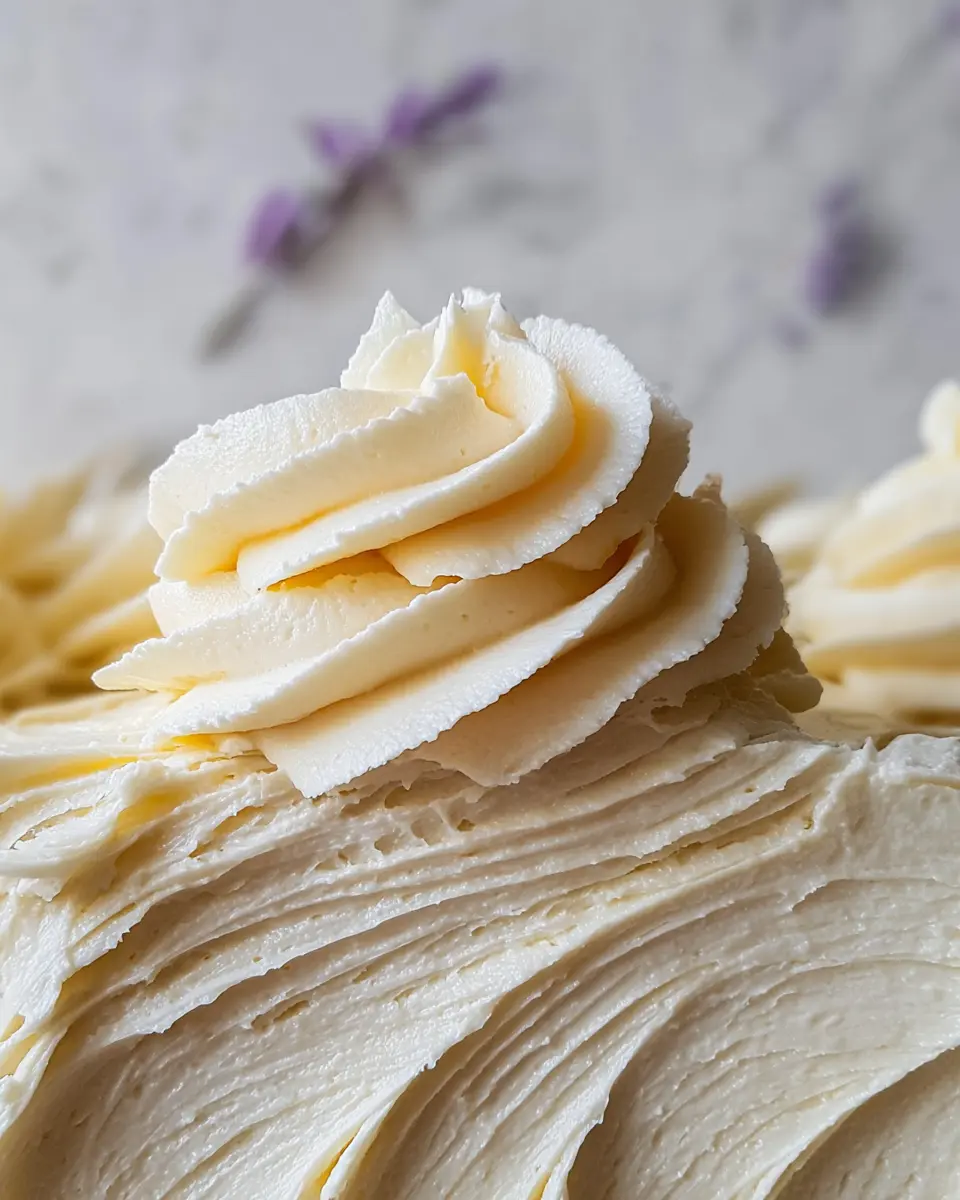
Variations of German Buttercream
When it comes to German buttercream, the possibilities are endless! Elevating the flavor of your buttercream doesn’t require a complex recipe—simple additions can make all the difference.
Flavoring the buttercream
- Extracts: Beyond vanilla, consider almond, coffee, or citrus extracts for a unique twist. Just a teaspoon can dramatically change the flavor profile.
- Fruit Purees: Fresh fruit purees, like raspberry or strawberry, provide a burst of flavor and a hint of color.
- Spices: A pinch of cinnamon or cardamom can add warmth and depth, perfect for fall-inspired cakes.
Adding color for aesthetics
To make your German buttercream visually appealing, you can incorporate food coloring. Gel food coloring works best, as it provides rich color without altering the texture. Whether you want pastels for a wedding or vibrant shades for a birthday party, mixing in colors can make your desserts pop and enhance their overall presentation.
Feeling inspired? Try these variations and watch your German buttercream impress!
Cooking tips and notes for German Buttercream
Troubleshooting common issues
If your German Buttercream appears to be splitting or curdling during preparation, don’t panic! This commonly occurs when the pastry cream and butter aren’t at the same temperature. Ensure both are at room temperature before mixing. If you encounter a split, try warming the mixture slightly while whipping it vigorously. You can also add a bit more softened butter to help emulsify it back together.
Storing and preparing in advance
To make your German Buttercream ahead of time, store it in an airtight container in the refrigerator for up to one week. When you’re ready to use it, allow it to soften at room temperature. It may need a quick re-whip to regain its fluffy texture before piping or spreading. While you might be tempted to freeze it, be cautious, as the pastry cream may not hold up well after freezing. For tips on preventing food waste, consider using leftover egg whites in delicious meringues or the perfect macarons!
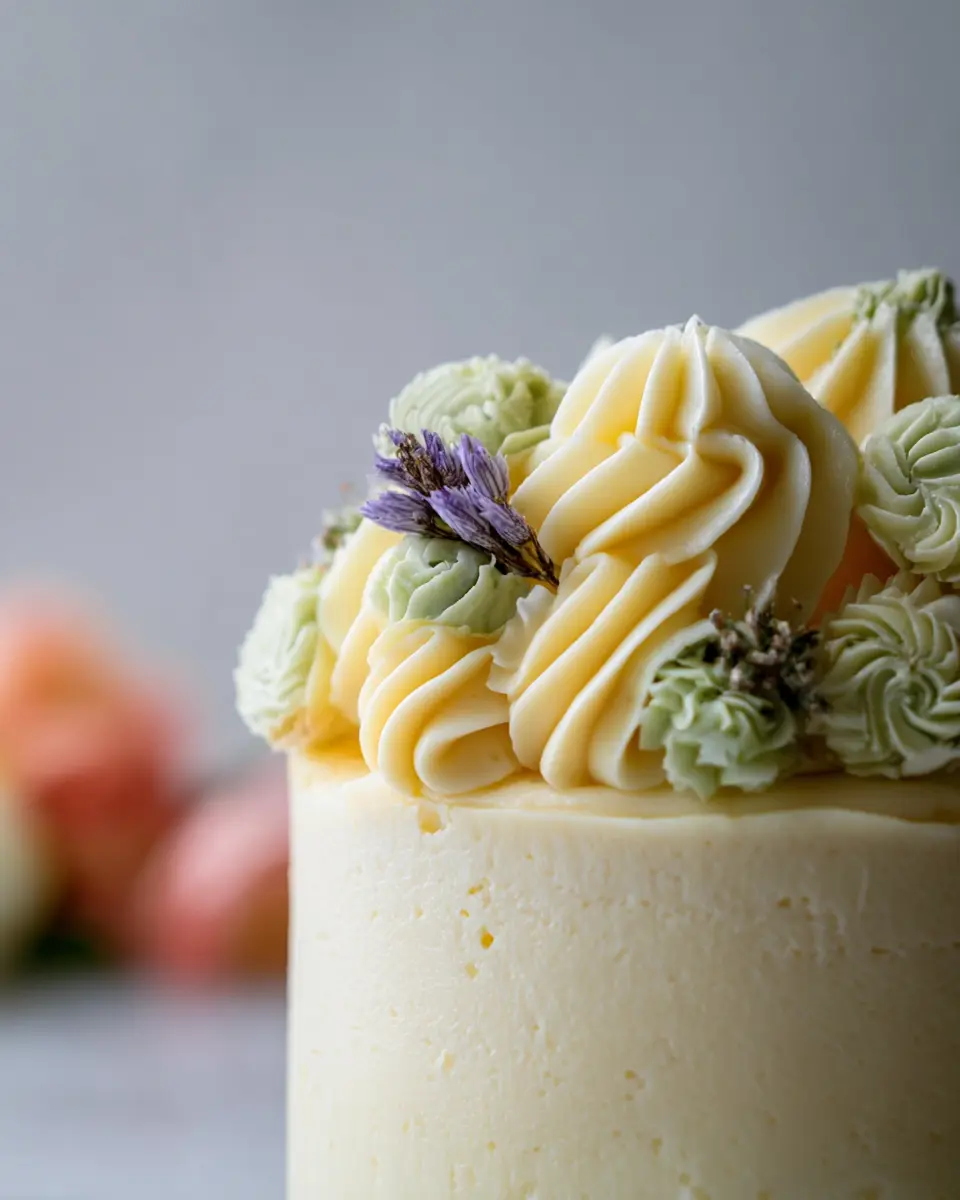
Serving suggestions for German Buttercream
Perfect pairings with cakes and cupcakes
German Buttercream is versatile and complements a variety of flavors beautifully. Here are some delightful pairings to consider:
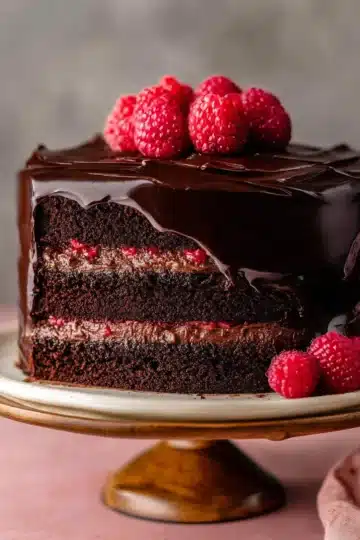
- Chocolate Cake: Its rich, buttery flavor balances well with the deep cocoa notes.
- Vanilla Cupcakes: Highlighting the subtle sweetness, it adds a creamy texture.
- Carrot Cake: The slight nuttiness and spices make it a perfect match.
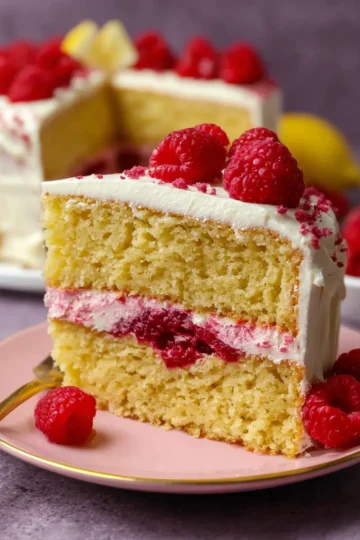
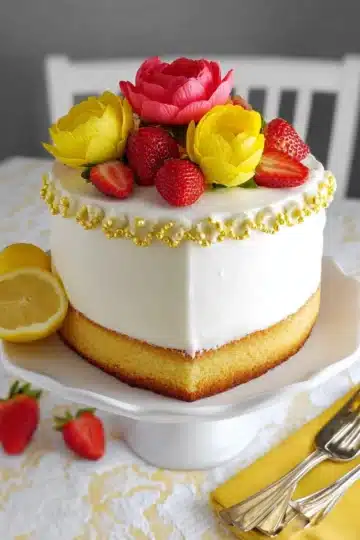
- Fruit Flavors: Try it with lemon or strawberry for a refreshing twist.
Pair the frosting with your favorite baked goods to elevate them to a whole new level!
Creative presentation ideas
Make your German Buttercream stand out with these fun presentation tips:
- Piping Designs: Use the Ateco 848 piping tip for elegant swirls and rosettes.
- Layering: Spread layers between cake tiers for a stunning visual.
- Filling: Use it as a filling between cookie layers or sandwich cookies for a delightful surprise.
- Add Edible Decor: Fresh berries or chocolate shavings can enhance both flavor and visual appeal.
Experimenting with these ideas will not only enhance the taste but also impress your guests. Happy frosting!
Time Breakdown for Making German Buttercream
Ready to whip up some delicious German Buttercream? Here’s a handy breakdown of the time you'll need to dedicate to this scrumptious frosting:
Preparation Time
Getting everything prepped takes about 40 minutes. Make sure to gather all your ingredients and equipment for a smooth process.
Cooking Time
The cooking phase is relatively quick at 15 minutes, during which you’ll create that luscious pastry cream that forms the base of your buttercream.
Cooling and Total Time
Allow a generous 2 hours for the pastry cream to cool completely. Overall, you’re looking at a total time of 2 hours and 55 minutes from start to finish, ensuring that your German Buttercream is perfectly fluffy and ready to elevate your cakes or cupcakes!
Nutritional Facts for German Buttercream
Calories
A generous serving of German Buttercream packs about 346 calories. This makes it a rich indulgence, perfect for those special occasions where a little sweetness can elevate your dessert.
Fat Content
With 29 grams of fat per serving, this buttercream frosting contributes a creamy and luscious texture. While it’s essential to enjoy in moderation, the use of real butter helps give it that signature silky finish.
Sugar Content
The sugar content in German Buttercream stands at 17 grams. It’s less sweet than most frostings, making it an excellent choice for those who appreciate a more balanced flavor. This slight sweetness complements the rich flavors of cakes and desserts beautifully.
For more tips on enjoying your treats responsibly, consider checking out the American Heart Association's guidelines on sugar intake.
FAQ about German Buttercream
How is German Buttercream different from other frostings?
German buttercream stands apart thanks to its unique custard base made from pastry cream. This gives it a silky texture and a flavor that’s less sweet than traditional buttercreams, which often rely heavily on powdered sugar. If you've ever felt overwhelmed by overly sugary frostings, you'll appreciate how German buttercream balances sweetness with richness.
Can you freeze German Buttercream?
While it’s typically not recommended to freeze German buttercream, as the pastry cream may not hold up well, you can keep it in the fridge for about a week. Just make sure to store it in an airtight container. If you do decide to freeze, ensure it’s fully thawed and re-whipped to bring back its fluffy consistency before using.
What cakes pair best with German Buttercream?
German buttercream complements a variety of flavors. Rich chocolate cakes, vanilla sponges, and even berry-infused desserts shine when paired with it. You might also consider using it on carrot cake or a lemon-flavored cake for a delightful contrast. The possibilities are endless!
For more tips on pairing and storing, check out Sugar Spun Run for a wealth of baking resources.
Conclusion on German Buttercream
In conclusion, German buttercream provides a unique, silky-smooth texture that many cake lovers adore. With a delightfully balanced sweetness, it's perfect for those looking to create stunning and delicious desserts. Explore the endless flavor pairings and unleash your creativity with this versatile frosting. Happy baking!
German Buttercream
Equipment
- Medium-sized saucepan
- Fine mesh strainer
- baking sheet
- Mixing Bowls
- Ateco 848 piping tip (optional)
Ingredients
Pastry Cream
- 1 cup whole milk
- 1 cup heavy cream
- 5 large egg yolks discard whites
- ⅔ cup granulated sugar
- ¼ teaspoon table salt
- 3 Tablespoons cornstarch
- 4 Tablespoons unsalted butter cut into 4 pieces
- 1 ½ teaspoon vanilla extract
Frosting
- 1 cup unsalted butter softened (not melty)
- ½ cup powdered sugar optional
Instructions
For Pastry Cream
- In a medium-sized bowl, whisk together milk, cream, and egg yolks until thoroughly combined.
- In a medium-sized saucepan, whisk together sugar, cornstarch and salt. While still whisking, drizzle cream mixture into sugar mixture until thoroughly combined and no lumps.
- Cook over medium heat, stirring constantly, until mixture thickens to a pudding-like consistency and coats the back of a spoon.
- Remove from heat and pour through a fine-mesh strainer into a heatproof bowl. Whisk in butter, 1 Tablespoon at a time, and then stir in vanilla extract.
- Place a piece of plastic wrap or parchment paper directly against the surface of the pastry cream and transfer to the refrigerator to cool completely.
For German Buttercream
- NOTE: (Pastry cream and softened butter must be the same temperature in order to proceed)
- Place softened butter in the bowl of a stand mixer and beat on high speed until fluffy and lightened in color (about 3-5 minutes).
- Reduce mixer speed to medium and begin to gradually add pastry cream, one spoonful at a time.
- Once all pastry cream has been added, slowly increase mixer speed to medium-high and beat until fluffy.
- Taste frosting, stir in powdered sugar if desired, then pipe or spread over cake/cupcakes.
Leave a Reply