
Introduction to Sourdough Bread
Why sourdough is the ultimate homemade bread
Sourdough bread, with its tangy taste and golden crust, is more than just a loaf; it's a delightful experience for your taste buds. Unlike typical store-bought bread, sourdough undergoes a natural fermentation process that develops unique flavors and a chewy texture. Plus, it’s made from just a few ingredients—bread flour, water, salt, and active sourdough starter—making it a fantastic option for those who love the art of baking at home.
Beyond its wonderful flavor, sourdough may be easier on your digestive system. The fermentation process helps break down gluten and can increase nutrient absorption, according to experts.
Another perk? Baking sourdough can be incredibly satisfying! As you learn to work with the dough, watch it rise, and eventually pull a beautifully baked loaf from the oven, you’ll gain confidence in your kitchen skills. Many novice bakers find that the meditative process of sourdough baking becomes a cherished part of their routine.
Join me in this beginner’s guide to sourdough bread, and let’s embark on this delicious adventure together!
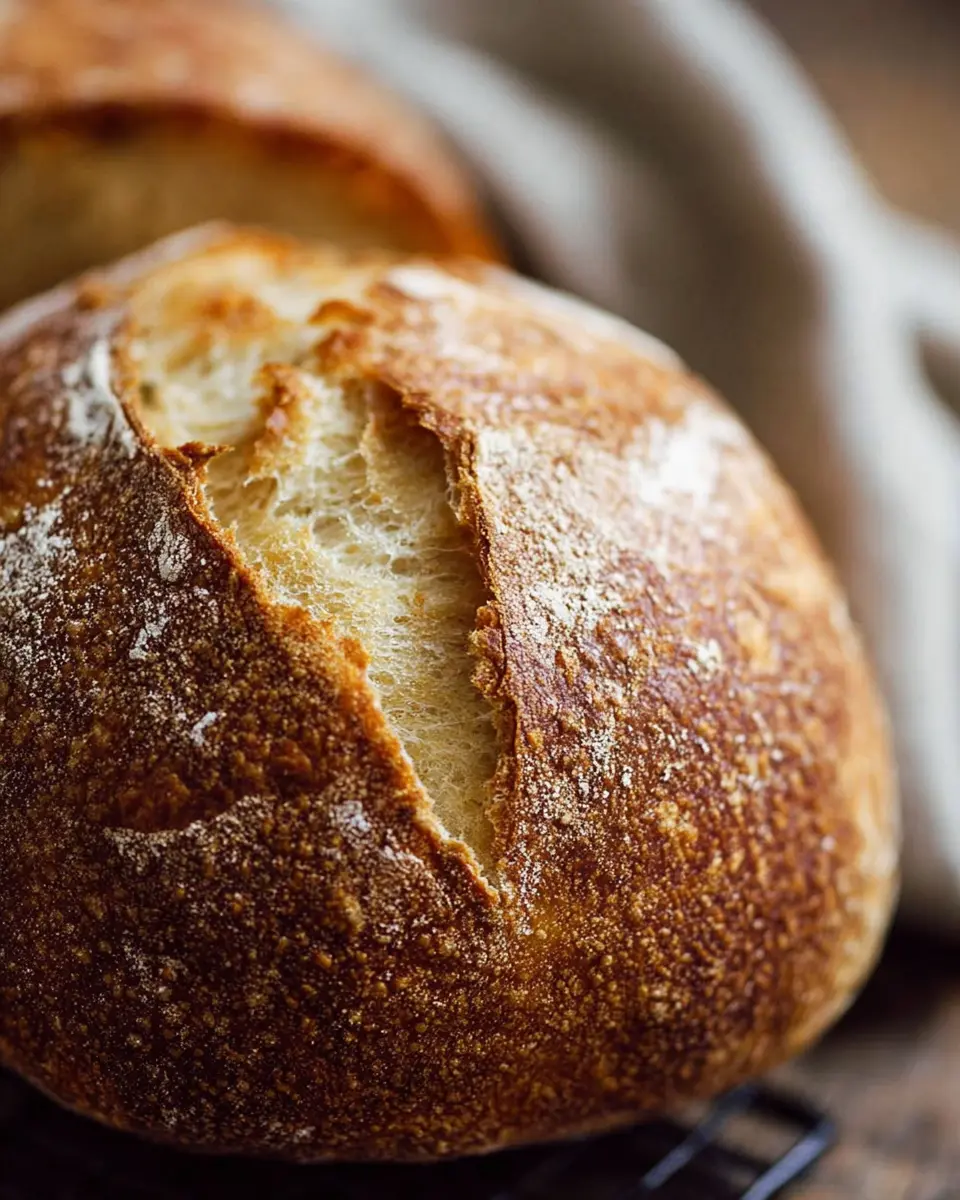
Ingredients for Sourdough Bread
Essential Ingredients for Beginners
If you're venturing into the world of sourdough bread, you're in for a delightful journey! You'll need just five essential ingredients to create a loaf that boasts a beautiful artisan crust and a tender crumb:
- Bread Flour: Use 500g of high-quality bread flour for the best results. Avoid all-purpose flour, as it won't provide the structure needed for a successful rise.
- Active Sourdough Starter: A crucial element for flavor and fermentation. Make sure your starter is bubbly and active!
- Warm Water: 250g of warm water helps activate the starter, creating the perfect environment for your dough to thrive.
- Salt: Fine sea salt (10g) enhances flavor and strengthens your dough structure.
- Olive Oil: 25g of olive oil adds moisture, creating a soft and plush interior.
Importance of a Quality Sourdough Starter
Your sourdough starter is the heart of your bread-making process. A strong, well-fed starter not only ensures proper fermentation but also develops vibrant flavors. For optimal results, consider reading about how to maintain your starter from resources like King Arthur Baking or The Perfect Loaf. Remember, a happy starter equals happy bread!
Preparing Sourdough Bread
Making your own sourdough bread isn't just satisfying—it's an enriching experience! Below, I've broken down the step-by-step process to help you navigate this delightful journey.
Make the Dough
Start by combining 150g of your bubbly, active sourdough starter, 250g of warm water, and 25g of olive oil in a large bowl. Mix them together with a fork until well incorporated. Next, add 500g of bread flour (remember, all-purpose flour just won't cut it here) and 10g of fine sea salt. As you mix, the dough may look a little dry and shaggy—that's perfectly fine! Cover it with plastic wrap or a damp kitchen towel and allow it to rest for 30 minutes to an hour. This autolyse phase is crucial as it helps develop gluten straight away.
Bulk Rise Process
Now comes the bulk rise! Transfer your dough to a warm spot, ideally between 70-75°F (21-24°C). Cover it with lightly oiled plastic wrap and allow it to rise. The dough is ready when it appears puffy and has nearly doubled in size. Depending on your kitchen's temperature, this could take anywhere from 3-12 hours. Yes, it's a bit of a waiting game, but watch the dough, not the clock!
Optional Stretch & Fold Technique
If you're feeling adventurous, consider incorporating the stretch and fold technique during the bulk rise. About 30-45 minutes in, gently stretch a portion of the dough upwards and fold it back onto itself. Rotate the bowl a quarter turn and repeat until you've completed one full circle. Doing this once or twice spaced about an hour apart can dramatically enhance the dough's structure and final volume. Need a visual? Check out this video tutorial on stretch and fold.
Shape the Dough
Once the dough has bulked up, turn it out onto a lightly floured surface. Gently deflate it without "punching" it down. To shape your loaf, fold the top portion of the dough towards the center, rotate slightly, and continue folding until it's a tight ball. Flip it seam-side down and gently rotate it, creating surface tension. A well-shaped dough is key to a beautiful sourdough bread.
Second Rise
For the second rise, you’ll want to let the dough rest again, but for a shorter period. If you’re sticking with 250g of water, go ahead and place the dough directly in your prepped Dutch oven. Cover and let it rise for about 30 minutes to an hour. If using more water, opt for a cloth-lined proofing basket to maintain its shape.
Score the Dough
Before baking, take a sharp blade and make a shallow slash about 2-3 inches long in the center of your dough. This allows for controlled expansion during baking, creating an artisanal look.
Bake the Bread
Finally, it’s time for the magic! Preheat your oven to 450°F (232°C) and place the Dutch oven (with the lid on) inside. Bake it for 20 minutes, then remove the lid and continue baking for another 40 minutes until it’s golden brown with a crisp crust. For the best indication of doneness, use a thermometer; the internal temperature should be between 205-210°F (96-98°C).
Let your beautiful sourdough cool on a wire rack for at least an hour before slicing. Patience is key here; you’ll want to avoid a gummy interior!
Happy baking!
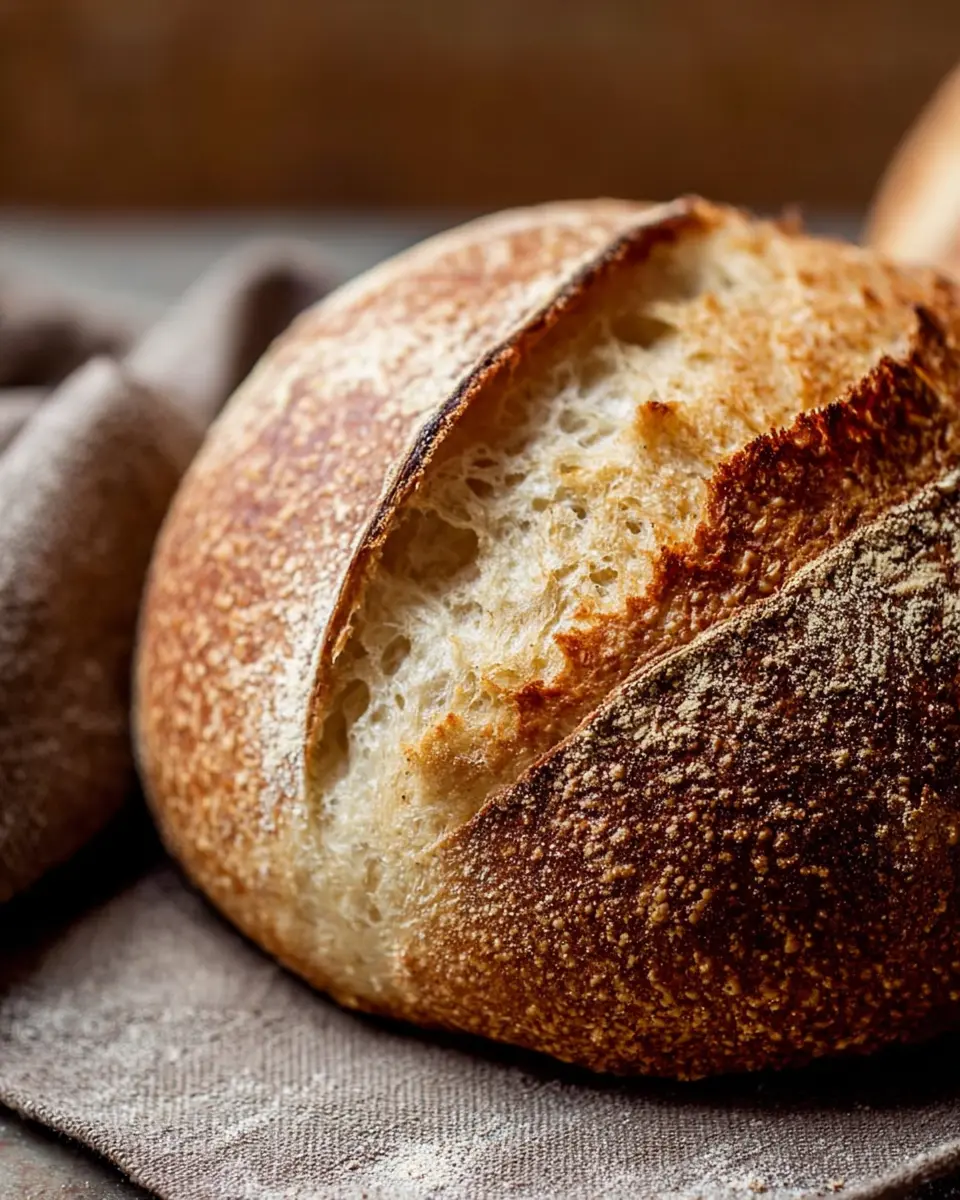
Variations on Sourdough Bread
Sourdough with Herbs and Spices
Elevate your basic sourdough bread with a delightful array of herbs and spices. A couple of teaspoons of dried rosemary or thyme can infuse a savory note, while a pinch of garlic powder or onion flakes adds depth. Mix these flavorful ingredients right into your dough for a tantalizing twist. Feel free to experiment with spices like cumin or coriander for an aromatic experience. Try pairing sliced herb-infused sourdough with soups or as the base for a delicious sandwich.
Sweet Sourdough with Fruits
For those with a sweet tooth, consider adding fruits to your sourdough. Diced apples, pears, or even dried cranberries can provide bursts of flavor and a hint of sweetness. Just be sure to adjust your dough hydration if you're adding fresh fruit. This variation makes for an excellent breakfast option when toasted and spread with nut butter. Sourdough with fruits also pairs wonderfully with softer cheeses and honey, creating a delightful snack for any occasion.
Baking Notes for Sourdough Bread
Common Mistakes to Avoid
Baking sourdough can be tricky for beginners. Here are some common pitfalls you might encounter:
- Underproofing: Your dough needs time to rise. Don’t rush it; a longer bulk rise often means a better loaf.
- Incorrect Dough Handling: Avoid over-mixing or over-kneading. Gentle handling helps maintain the dough’s airy structure.
- Inaccurate Measurements: Always weigh your ingredients. Using a digital scale ensures accurate flour-to-water ratios for a successful rise.
Tips for Achieving the Perfect Crust
A golden, crisp crust is one of the hallmarks of fantastic sourdough:
- Steam is Key: Create steam in the oven by using a covered Dutch oven during the first part of baking. This moisture helps achieve that beautiful crust.
- High Temperature: Baking at a higher initial temperature, then reducing it, can help create a deep, flavorful crust.
- Score Well: A good slash before baking allows steam to escape, preventing the loaf from bursting unexpectedly.
For more detailed tips and techniques, check out The Perfect Loaf. Happy baking!
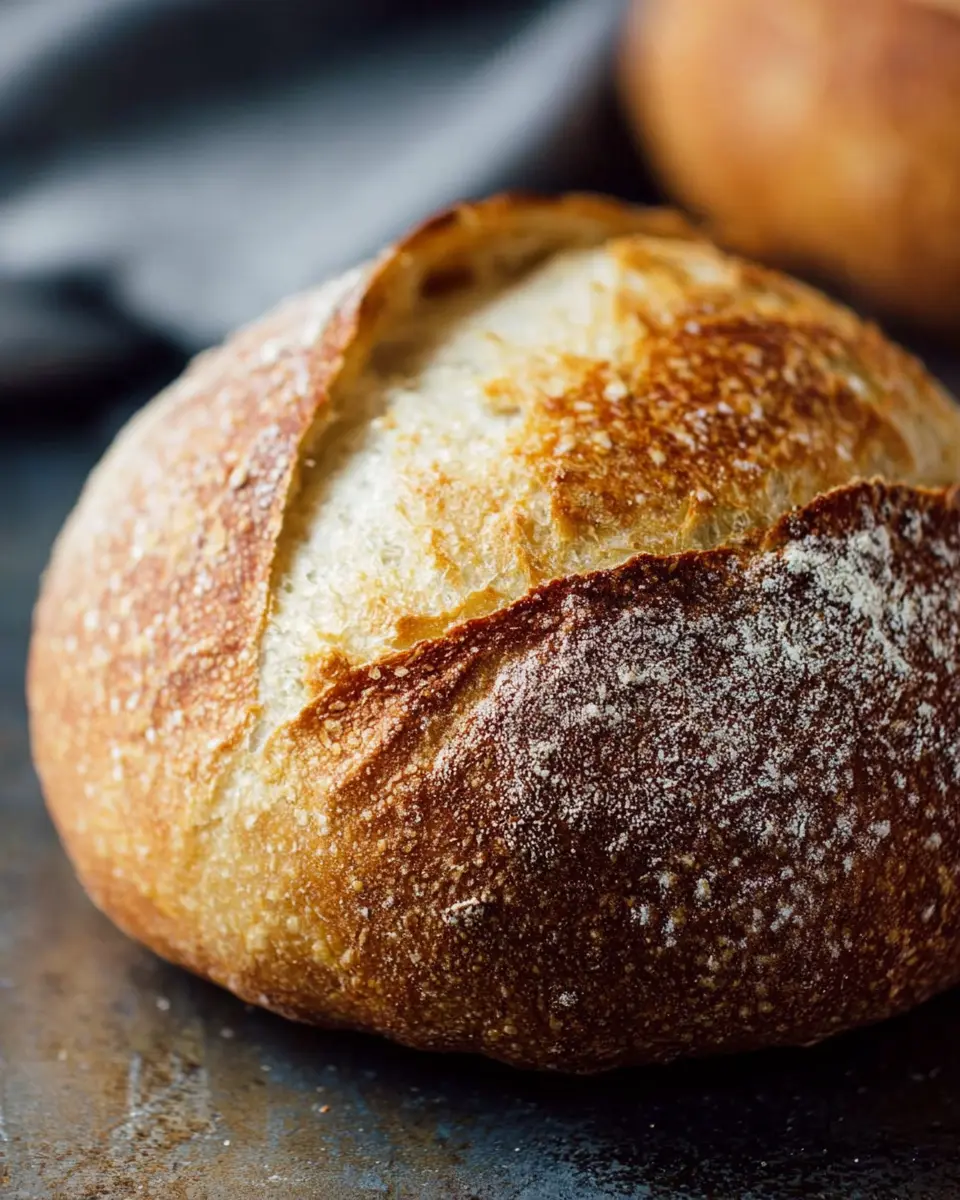
Serving Suggestions for Sourdough Bread
Partnering with Dips and Spreads
Sourdough bread is a delight when paired with dips and spreads. Try serving it with a rich olive tapenade or a creamy hummus for a satisfying appetizer. You can also enjoy it with a drizzle of extra virgin olive oil alongside balsamic vinegar for an effortless, yet sophisticated snack.
Sandwich Ideas with Sourdough
Feeling adventurous? Craft a delicious sandwich using sourdough as your base. For a speedy lunch, layer sliced turkey bacon, chicken ham, and fresh greens with a swipe of mustard or avocado spread. If you prefer vegetarian options, consider roasted vegetables with a smattering of goat cheese or a hearty Caprese with fresh basil and tomatoes. The possibilities are endless!
Now, how do you like to enjoy your sourdough? Share your favorite combos!
Tips for making perfect Sourdough Bread
Tools to consider for better results
Investing in a few key tools can elevate your sourdough game:
- Digital Scale: Weighing ingredients ensures accurate measurements, crucial for successful fermentation.
- Dough Scraper: This makes it easy to handle and shape your dough without sticking.
- Dutch Oven: A heavy pot traps steam, creating that iconic crust you love.
These essentials will simplify your process and enhance your final product.
How to maintain your sourdough starter
A healthy sourdough starter is vital! Feed it regularly with equal parts water and flour (by weight) to keep it bubbly and active. Store it in the fridge if you don’t bake often, but be sure to bring it back to room temperature and feed it a few hours before baking. Remember, your starter is like a pet—give it care, and it will reward you with delicious bread! For more tips on maintaining your starter, check out this comprehensive guide here.
Time details for Sourdough Bread
Preparation Time
Making sourdough bread requires an initial preparation time of about 13 hours. Most of this time is spent allowing the dough to rise, which is crucial for developing that distinct flavor and texture.
Rising Time
Once the dough is combined, it undergoes a bulk rise for 3 to 12 hours. This range varies based on room temperature and the vigor of your sourdough starter. Don’t rush it—patience is key for a successful loaf!
Total Baking Time
When you're finally ready to bake, set aside 1 hour. It’s split between a covered initial bake and finishing it uncovered for a golden crust. Your sourdough bread will be worth the wait!
Nutritional Information for Sourdough Bread
Calories per slice
A typical slice of sourdough bread contains about 80 to 100 calories, making it a satisfying yet guilt-free choice for your meals. It's filling enough to keep hunger at bay without overwhelming your daily caloric intake.
Key nutrients in sourdough
Sourdough bread not only provides energy but also boasts noteworthy nutrients such as:
- Fiber: Promotes digestive health.
- Protein: Essential for muscle repair.
- B Vitamins: Necessary for energy metabolism and red blood cell formation.
- Minerals: Potassium, magnesium, and iron support overall health.
For more insight on the nutritional benefits of sourdough, check out Healthline. It’s a great resource for understanding how this delicious bread can fit into a balanced diet!
FAQs about Sourdough Bread
How long does sourdough bread last?
Homemade sourdough bread is best enjoyed fresh, but it can last 3-5 days at room temperature when stored in a paper bag or wrapped in a clean kitchen towel. To keep it fresh longer, consider storing it in a bread box or a cloth bag, which helps maintain the crust’s texture while preventing it from becoming too dry.
Can I freeze sourdough bread?
Absolutely! Freezing is a fantastic way to extend the life of your sourdough bread. Wrap individual slices or the whole loaf tightly in plastic wrap, then place it in a freezer-safe bag. When you’re ready to enjoy it, simply thaw it at room temperature or toast it directly from frozen.
What are the benefits of sourdough over regular bread?
Sourdough bread boasts several advantages over conventional bread. Thanks to its natural fermentation process, it tends to be easier to digest, and it often has a lower glycemic index, making it a better choice for blood sugar management. Additionally, the probiotics present contribute to gut health, and the delightful tangy flavor adds a unique twist to your meal. Curious to learn more? Check out this informative article on sourdough health benefits.
Conclusion on Sourdough Bread
The Joy of Homemade Sourdough and Its Benefits
Baking sourdough bread brings a unique joy that few culinary experiences can match. Not only do you get to savor the delightful aroma wafting through your home, but you also enjoy the benefits of fresh, wholesome ingredients. Homemade sourdough embodies health, nutrition, and creativity, making it a worthwhile endeavor for any home chef. Happy baking!
Sourdough Bread: A Beginner’s Guide
Equipment
- Dutch oven
- Digital scale
- bowl
- fork
- Clean cloth
- plastic wrap
- parchment paper
- wire rack
Ingredients
Dough Ingredients
- 150 g active sourdough starter
- 250 g warm water Can increase to 300-325g for a softer dough
- 25 g olive oil Signature addition for crumb and crust
- 500 g bread flour Not all-purpose flour
- 10 g fine sea salt
- fine ground cornmeal or non-stick parchment paper For preventing sticking
Instructions
Making the Dough
- In a large bowl, add the sourdough starter, water, and olive oil. Mix with a fork to combine. Add the flour and salt. Continue mixing with your fork until the dough becomes stiff. Then squish everything together with your hands to incorporate all of the flour.
- Cover the bowl with plastic wrap, reusable wrap, or a clean, very damp kitchen towel. Let rest (autolyse) for 30 minutes or up to 1 hour.
- After resting, work the dough into a rough ball for about 15 seconds.
Bulk Rise
- Cover the bowl with lightly oiled plastic wrap and let rise in a warm spot for 3-12 hours until almost doubled.
- Optionally, during the bulk rise, perform stretch and folds starting 30-45 minutes in.
Shaping the Dough
- Remove the dough onto a lightly floured surface and shape it into a tight ball.
Second Rise
- Let the dough rise again for 30 minutes to 1 hour in a Dutch oven, or in a cloth-lined proofing basket if wetter.
Scoring the Dough
- Make a shallow slash in the center of the dough before baking.
Baking the Dough
- Bake in a preheated oven at 400°F for 20 minutes with the lid on, then uncovered for an additional 40 minutes.
Cooling
- Remove from oven and cool on a wire rack for at least an hour before slicing.




Leave a Reply