
Introduction to Vegetable Soup
Why Vegetable Soup is the Ultimate Comfort Food
When it comes to cozy meals, vegetable soup stands out as a timeless favorite. It’s not just a dish; it’s a warm embrace on a chilly day or a remedy for the rough patches of life. It’s hard to resist a steaming bowl filled with vibrant veggies and fragrant herbs! Packed with nutrients, this comforting classic allows you to sneak in essential vitamins while enjoying a delicious bite. Plus, it’s a budget-friendly option that makes use of whatever vegetables you have on hand.
Did you know that homemade vegetable soup can be significantly healthier than store-bought versions? Many canned soups are high in sodium and preservatives, while making your own lets you control what goes in. As you sauté your favorite ingredients and let them simmer, your kitchen fills with inviting aromas that set the mood for a delightful dining experience.
Whether you’re looking to whip up a quick weeknight dinner or meal prep for the week, this vegetable soup recipe is versatile and easy to customize. Add seasonal veggies, herbs, or even grains for an extra twist! With just a few simple steps, you’re on your way to enjoying this ultimate comfort food.
For more inspiration on wholesome meals, check out the benefits of a plant-based diet or how to choose fresh vegetables.
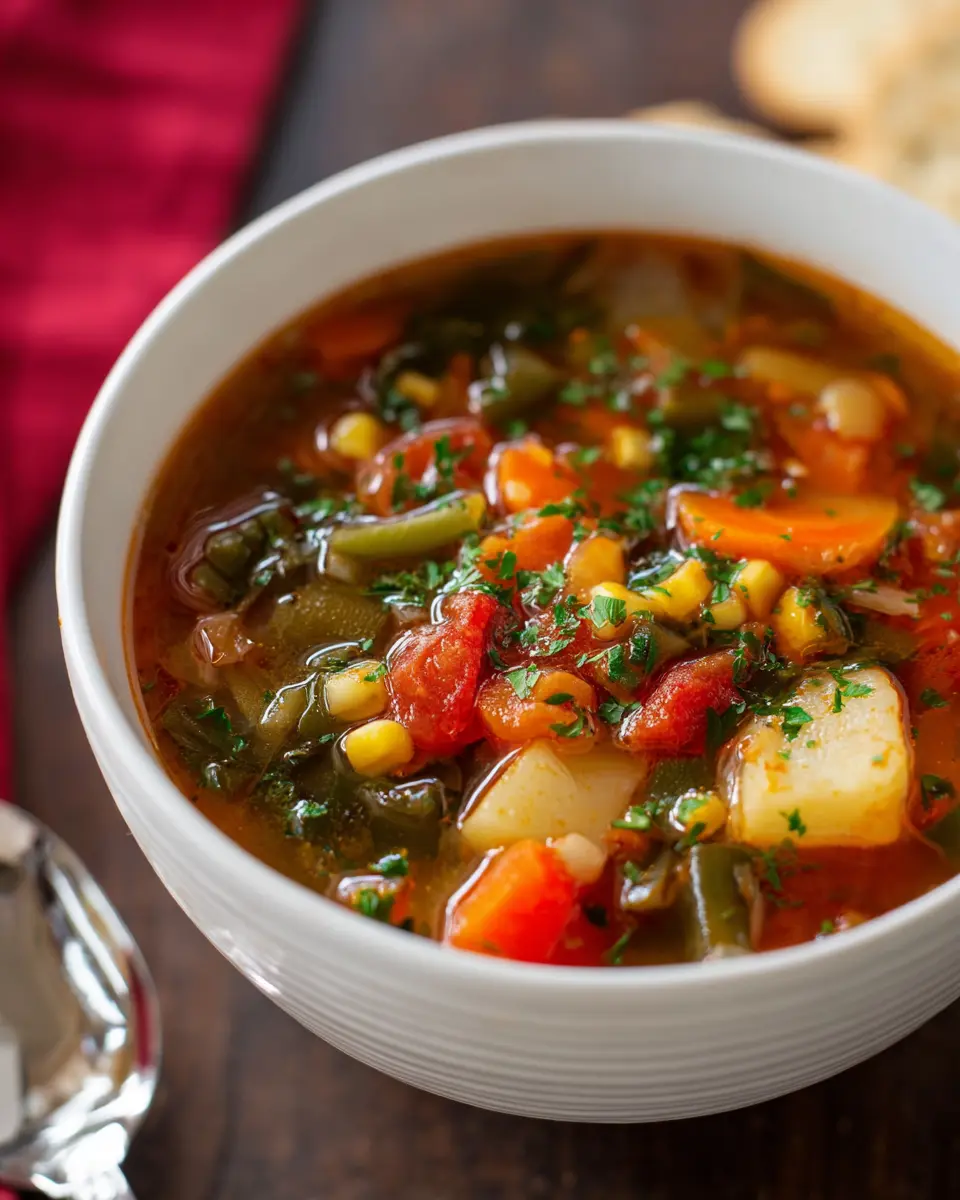
Ingredients for Vegetable Soup
Creating the perfect vegetable soup starts with selecting the right ingredients. The freshness of your produce can significantly influence the final taste, so opt for seasonal vegetables whenever possible. Here’s what you'll need to whip up this comforting bowl of goodness:
- 2 tablespoon olive oil: A heart-healthy choice that adds richness.
- 1 ½ cups chopped yellow onion: About one medium onion will do—this adds depth.
- 2 cups peeled and chopped carrots: Roughly five carrots bring a sweet flavor.
- 1 ¼ cups chopped celery: About three stalks will add a lovely crunch.
- 4 cloves minced garlic: Because no soup is complete without garlic!
- 4 cans (14.5 oz) low-sodium chicken or vegetable broth: Essential for a savory base.
- 2 cans (14.5 oz) diced tomatoes, undrained: This adds acidity and a bit of sweetness.
- 3 cups diced potatoes: About three medium potatoes for heartiness.
- ⅓ cup chopped fresh parsley: Fresh herbs brighten any vegetable soup.
Additional ingredients include bay leaves, thyme, salt, pepper, green beans, corn, and peas, which round out the soup, ensuring a delightful mix of flavors.
Don't skip the chance to explore a world of flavors with some optional herbs and spices! You might even want to check out more about the benefits of homemade stock here or dive into the history of each vegetable’s health benefits at Healthline.
With these simple steps, your vegetable soup is bound to impress!
Preparing Vegetable Soup
Making a vegetable soup is an enjoyable experience, filled with the delightful aromas of fresh ingredients and the satisfaction of creating a nourishing dish. Let’s walk through the steps to prepare this comforting and healthy soup.
Gather Your Fresh Ingredients
Before you begin cooking, it’s essential to gather all your ingredients. This not only streamlines your cooking process but also ensures you have everything at hand when you need it. For this recipe, you’ll need:
- 2 tablespoon olive oil
- 1 ½ cups chopped yellow onion (about one medium onion)
- 2 cups peeled and chopped carrots (roughly five carrots)
- 1 ¼ cups chopped celery (about three stalks)
- 4 cloves garlic, minced
- 4 cans (14.5 oz) of low-sodium chicken broth or vegetable broth
- 2 cans (14.5 oz) of diced tomatoes (undrained)
- 3 cups peeled and diced potatoes (cut into ½-inch cubes)
- Fresh parsley, bay leaves, thyme, and assorted frozen or fresh vegetables like green beans, corn, and peas.
This variety of ingredients not only makes for a hearty soup but also packs a nutritional punch. Fresh produce is rich in vitamins and antioxidants, promoting overall health.
Sauté Your Aromatics
Once everything is ready, it's time to unleash those flavors! Heat the olive oil in a large pot over medium-high heat. Add the chopped onions, carrots, and celery, often called the holy trinity of soups, and sauté them for about four minutes. These fresh vegetables will create an aromatic base for your soup.
After the initial sauté, toss in the minced garlic and sauté for an additional 30 seconds. Garlic not only adds flavor but has also been studied for its health benefits, including immune support (source).
Combine the Broth and Veggies
Now that your aromatics are fragrant and perfectly cooked, it’s time to add the broth. Pour in your chicken or vegetable broth along with the diced tomatoes and potatoes. Sprinkle in the parsley, bay leaves, and thyme, seasoning with salt and freshly ground black pepper to taste. The combination of broth and vegetables creates the heart of your vegetable soup.
Simmer to Perfection
Bring everything to a boil, then add in the green beans. Reduce the heat to medium-low, cover the pot, and let it simmer for 20 to 30 minutes. This gentle cooking ensures that the flavors meld beautifully and the potatoes become tender. Approximately midway through this simmering stage, take a moment to appreciate the wonderful smells wafting through your kitchen!
Add the Final Touches
In the last five minutes of cooking, throw in the corn and peas. This is where you can really customize your soup with additional herbs or spices if desired. Once everything is cooked through, taste your masterpiece and adjust the seasoning as necessary. Serve your vegetable soup warm, possibly garnished with a drizzle of olive oil or a sprinkle of parmesan for an extra touch.
Enjoy this wholesome dish that’s not just a meal but a warm hug in a bowl! For more vegetable soup variations or tips on making homemade broths, check out some resources on Kitchen Stories or Serious Eats.
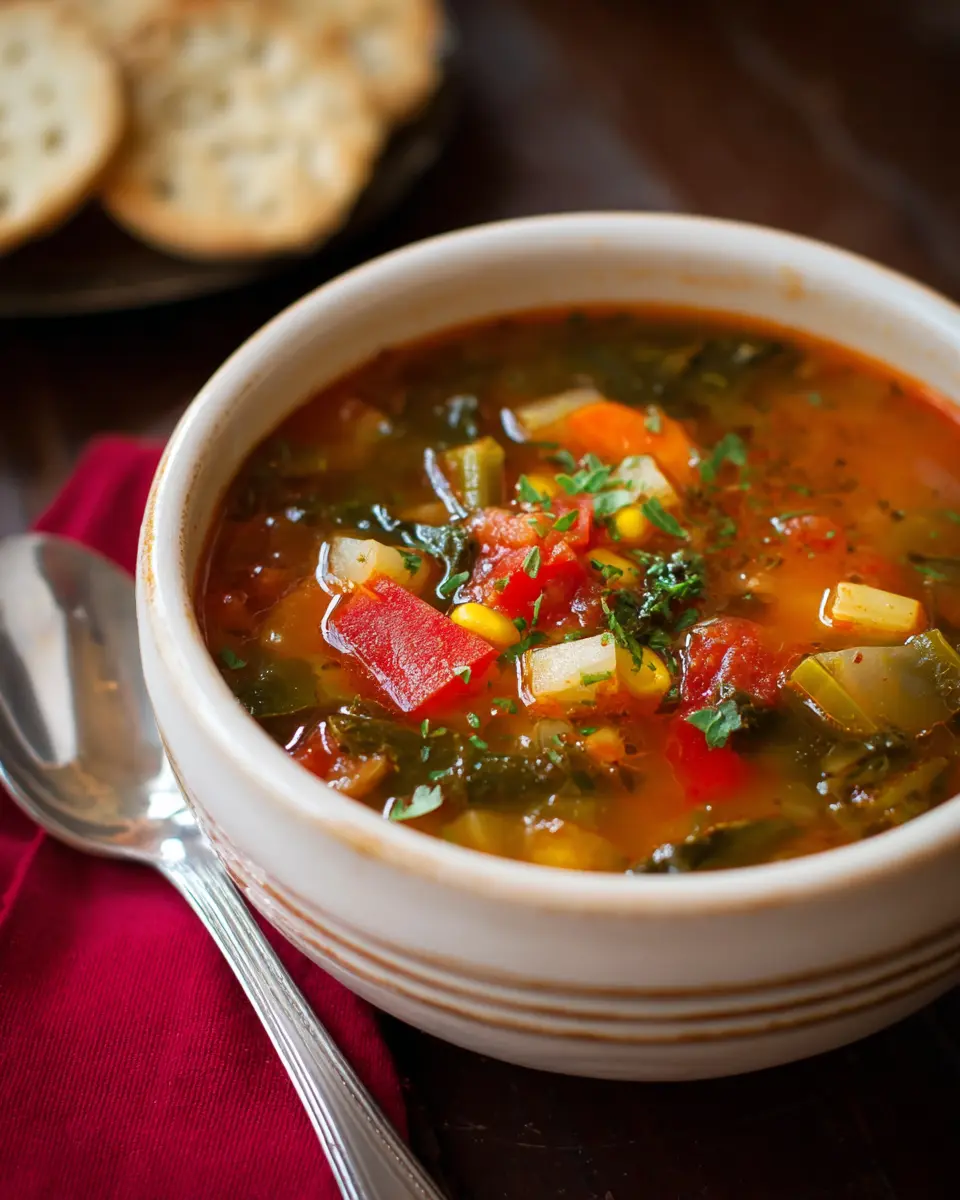
Variations on Vegetable Soup
Hearty Bean and Vegetable Soup
For a protein-packed twist on your classic vegetable soup, consider adding beans. Black beans, kidney beans, or chickpeas can elevate the dish into a filling meal. Simply mix in 1 to 2 cups of canned beans (drained and rinsed) when you add the tomatoes. Not only does this boost the nutritional content, but it also enhances the texture and flavor. You can even tweak the seasoning by adding chili powder or cumin for a Southwest flair.
Creamy Vegetable Soup
If you’re in the mood for something comforting, try making a creamy vegetable soup! After the soup is fully cooked, blend a portion (or all) using an immersion blender until smooth. Stir in a splash of cream or a dollop of sour cream for that rich, luscious consistency. For a lighter version, coconut milk can work wonders too! This variation is especially delightful with a sprinkle of fresh herbs on top.
Experimenting with these variations can make your vegetable soup an exciting weekly staple. What other creative ideas do you have? For more inspiration, you might find this article from EatingWell helpful!
Cooking Tips and Notes for Vegetable Soup
When preparing vegetable soup, there are a few handy tips to maximize flavor and texture. First, make sure to season at each step—don’t wait until the end! Adding a pinch of salt while sautéing your vegetables enhances their natural sweetness.
Consider using homemade broth for a richer taste, or boost flavor with herbs like basil and oregano. For a heartier soup, feel free to add beans or lentils. Remember, you can easily tailor this recipe to your tastes or what you have on hand—it's forgiving and versatile!
Lastly, if you have time, let your soup sit for a while after cooking; flavors deepen as it cools. Enjoy your delicious homemade vegetable soup!

Serving Suggestions for Vegetable Soup
A warm bowl of vegetable soup is a delightful meal on its own, but there are plenty of ways to elevate it further! Consider these serving suggestions to make your soup even more enjoyable:
- Add Protein: Toss in some shredded chicken, turkey bacon, or chicken ham for a hearty finish.
- Pair with Bread: Serve with a crusty artisan bread or a side of garlic breadsticks for that perfect dip.
- Garnish Well: Top with fresh herbs like basil or a sprinkle of grated Parmesan to enhance the flavor.
- Offer a Side Salad: A crisp, colorful salad pairs wonderfully to complement the warmth of the soup.
Experimenting with these ideas can create a unique culinary experience for your next meal! If you're looking for more inspiration, check out EatingWell for creative serving ideas!
Time Breakdown for Vegetable Soup
Understanding the time commitment for your vegetable soup is essential for planning a delightful meal. Here’s the breakdown:
Preparation Time
15 minutes – This includes chopping your veggies and gathering all your ingredients.
Cooking Time
40 minutes – Allow for a perfect sauté and simmer to bring all the flavors together.
Total Time
55 minutes – A short wait for a delicious, homemade meal that beats any can!
By investing just under an hour, you can whip up a comforting vegetable soup full of nutrients and vibrant flavors. Perfect for cozy evenings or meal prep! For more recipe ideas, check out this guide on quick soups.
Nutritional Facts for Vegetable Soup
When it comes to healthy eating, this vegetable soup is a fantastic choice! Here’s a quick look at its nutritional profile per serving:
Calories
Each serving contains around 150 calories, making it a light and satisfying option that won't weigh you down.
Protein
You’ll find about 5 grams of protein in each bowl, helping to keep you full and energized throughout the day.
Sodium
With only 300 mg of sodium (especially if using low-sodium broth), this soup remains heart-healthy while still delivering amazing flavor.
This vegetable soup is not just nutritious—it’s a comforting, vibrant dish that warms the soul. Want to know more about its benefits? Check out resources like the USDA FoodData Central for an in-depth look at the nutrition you’re getting!
FAQs about Vegetable Soup
Can I freeze my vegetable soup?
Absolutely! Vegetable soup freezes wonderfully and can be stored for up to three months. To freeze, let the soup cool completely, then pour it into airtight containers or freezer bags, leaving some space for expansion. When you're ready to enjoy it again, thaw it in the refrigerator overnight and reheat on the stovetop.
What can I add for extra protein?
Adding protein to your vegetable soup can make it more satisfying. Consider these options:
- Beans: Black beans or chickpeas are great choices for an extra boost.
- Chicken or turkey: Shredded chicken or turkey bacon can enhance flavor.
- Tofu: For a plant-based option, cube some firm tofu into the soup.
- Lentils: They cook quickly and add a hearty texture.
How long does vegetable soup last in the fridge?
Your vegetable soup can last in the fridge for about 3–5 days. To keep it fresh, store it in an airtight container and make sure to reheat thoroughly before serving. If you're unsure, use your senses; if it looks or smells off, it’s best to play it safe and toss it!
For more tips, check out FoodSafety.gov for essential food storage guidelines.
Conclusion on Vegetable Soup
In conclusion, this vegetable soup is a delightful, nourishing choice that warms the heart and satisfies the palate. It’s easy to customize with your favorite veggies and herbs, making it a versatile staple. Enjoy it as a meal on its own or pair it with crusty bread for a comforting experience!

Vegetable Soup
Equipment
- large pot
Ingredients
Base Ingredients
- 2 tablespoon olive oil
- 1.5 cups chopped yellow onion (1 medium)
- 2 cups peeled and chopped carrots (about 5)
- 1.25 cups chopped celery (about 3)
- 4 cloves garlic minced
Liquids
- 4 cans low-sodium chicken broth or vegetable broth (14.5 oz each)
- 2 cans diced tomatoes (undrained, 14.5 oz each)
Vegetables
- 3 cups peeled and diced potatoes (½-inch thick from about 3 medium)
- ⅓ cup chopped fresh parsley
- 2 bay leaves
- 0.5 teaspoon dried thyme or 1 tablespoon fresh thyme leaves
- Salt and freshly ground black pepper to taste
- 1.5 cups chopped green beans (frozen or fresh)
- 1.25 cups corn (frozen or fresh)
- 1 cup peas (frozen or fresh)
Instructions
Cooking Steps
- Heat olive oil in a large pot over medium-high heat.
- Add onions, carrots, and celery and sauté for 4 minutes, then add garlic and sauté for 30 seconds longer.
- Add in broth, tomatoes, potatoes, parsley, bay leaves, thyme, and season with salt and pepper to taste.
- Bring to a boil, then add green beans.
- Reduce heat to medium-low, cover, and simmer until potatoes are almost fully tender, about 20 - 30 minutes.
- Add corn and peas and cook for 5 minutes longer. Serve warm.



Leave a Reply